1 hr 30 min
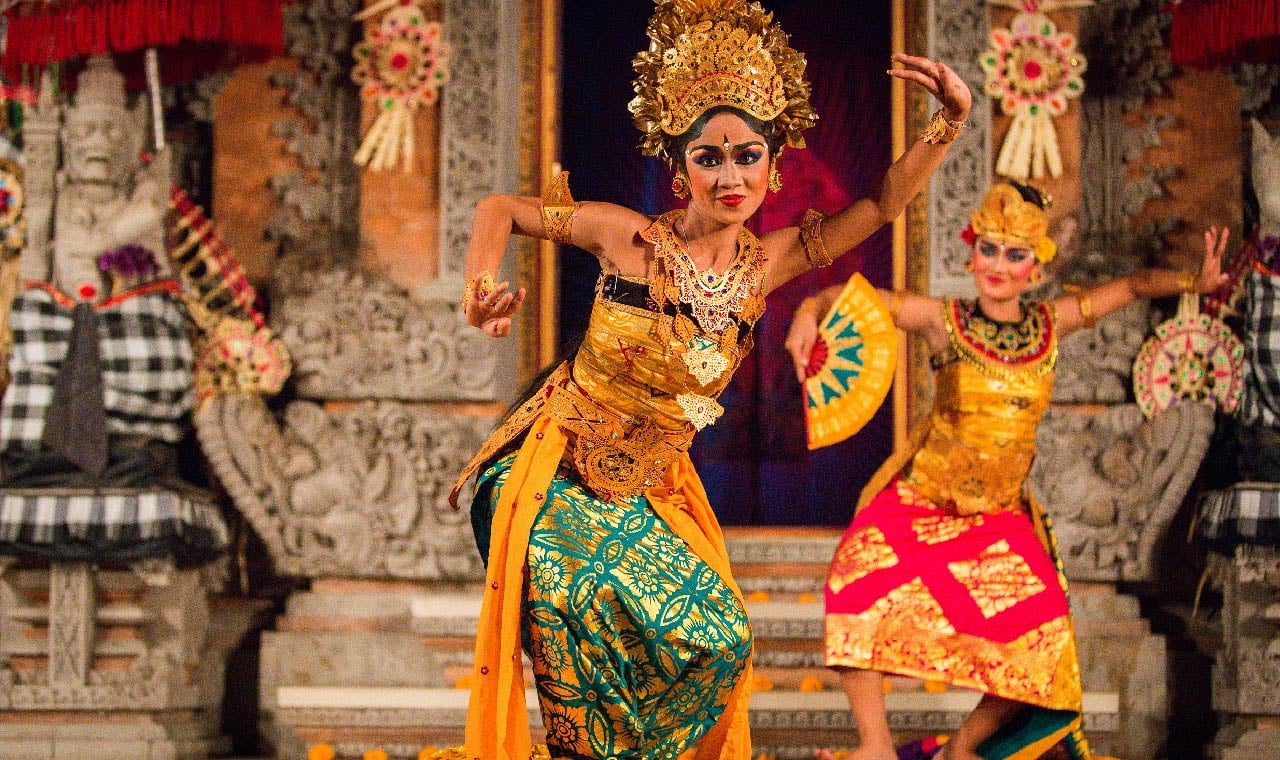
Ubud Palace Legong Dance Performance
- Entry ticket
- Mobile voucher
- Valid same day
Ubud Palace — Royal Courtyards & Traditional Dance
Where Balinese royalty still resides, where nightly performances illuminate carved stone
Compare fares, pick the fit — all bookings are mobile-voucher and eligible for free cancellation where shown.
1 hr 30 min
1 hr
8 hr
| Experience | Duration | Rating | Pickup | Skip-the-line | Guide | Free cancel. | Price | |
|---|---|---|---|---|---|---|---|---|
|
Standard Entry
Most popular
Ubud Palace Legong Dance Performance
|
1 hr 30 min | ★ 4.3 | — | — | — | — | €5 | Book → |
|
Standard Entry
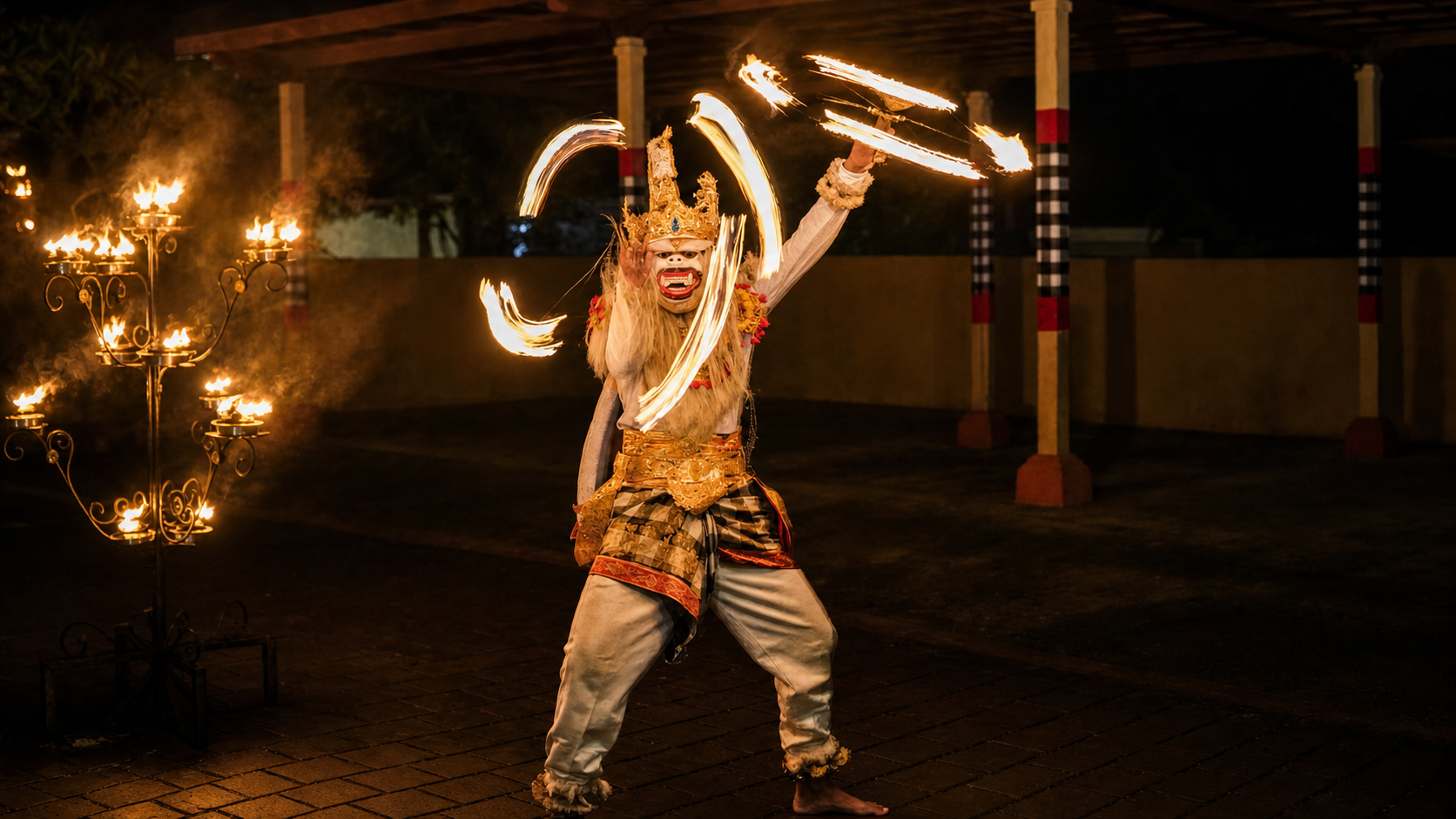
Ubud Kecak & Fire Dance at Temple
|
1 hr | ★ 4.4 | — | — | — | ✓ | €5 | Book → |
|
Guided Experience
Ubud Cultural & Nature Discovery Tour
|
8 hr | ★ 4.9 | ✓ | ✓ | ✓ | ✓ | €18 | Book → |
They complement each other; most visitors who do both call the evening dance the more atmospheric experience, while the daytime visit offers better insights into the Puri Saren Agung royal landmark. Choosing between these Ubud palace tickets tours and a walk-through depends on whether you prioritize architectural study or cultural entertainment.
|
Top pick General Exploration |
Dance Performance | |
|---|---|---|
| Access Level | Courtyards and open grounds | Reserved seating area |
| Inclusions | Site architecture and carvings | Live traditional music and dance |
| Cost | 0 IDR | 100,000 IDR |
| Time of Day | Daytime exploration | Evening performance |
| Primary Focus | Balinese royal history | Performing arts and culture |
| Booking Type | Noubud palace tickets tickets required | Purchase ubud palace tickets tour online or onsite |
| See tickets & prices |
Verdict: If you seek deep appreciation of the historic Ubud landmarks, visit during the day, but secure an ubud palace tickets tour if you prefer to see the courtyards transformed by traditional Balinese artistic expression.
Hand-picked experiences loved by thousands of travelers
3 hours
Free Cancellation
Trace Ubud's evolution from sacred river valley to cultural capital on a guided heritage walk
3 hours
Free Cancellation
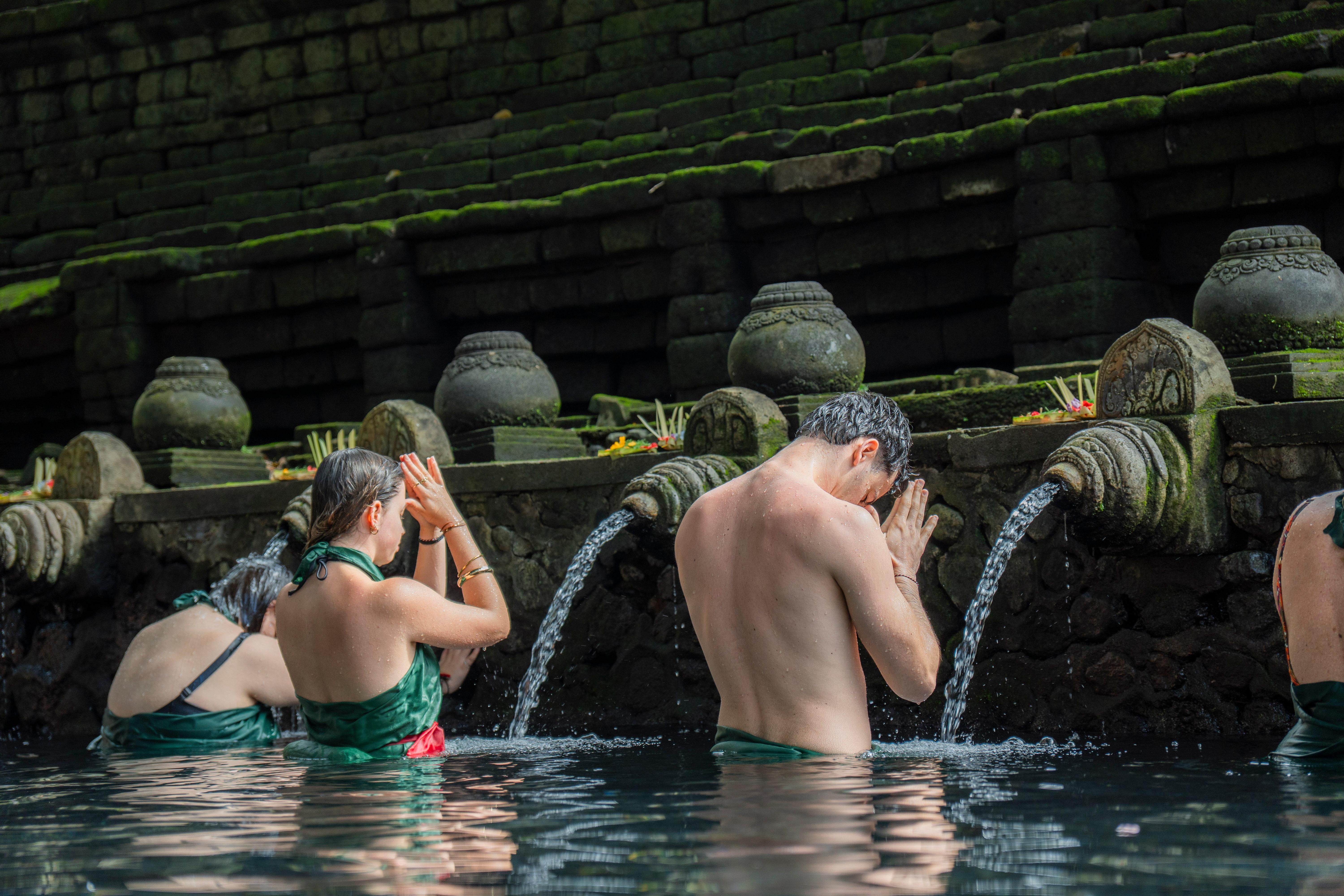
Join a guided spiritual journey to a sacred water temple for a traditional Balinese cleansing ritual
1–5 hours
Free Cancellation
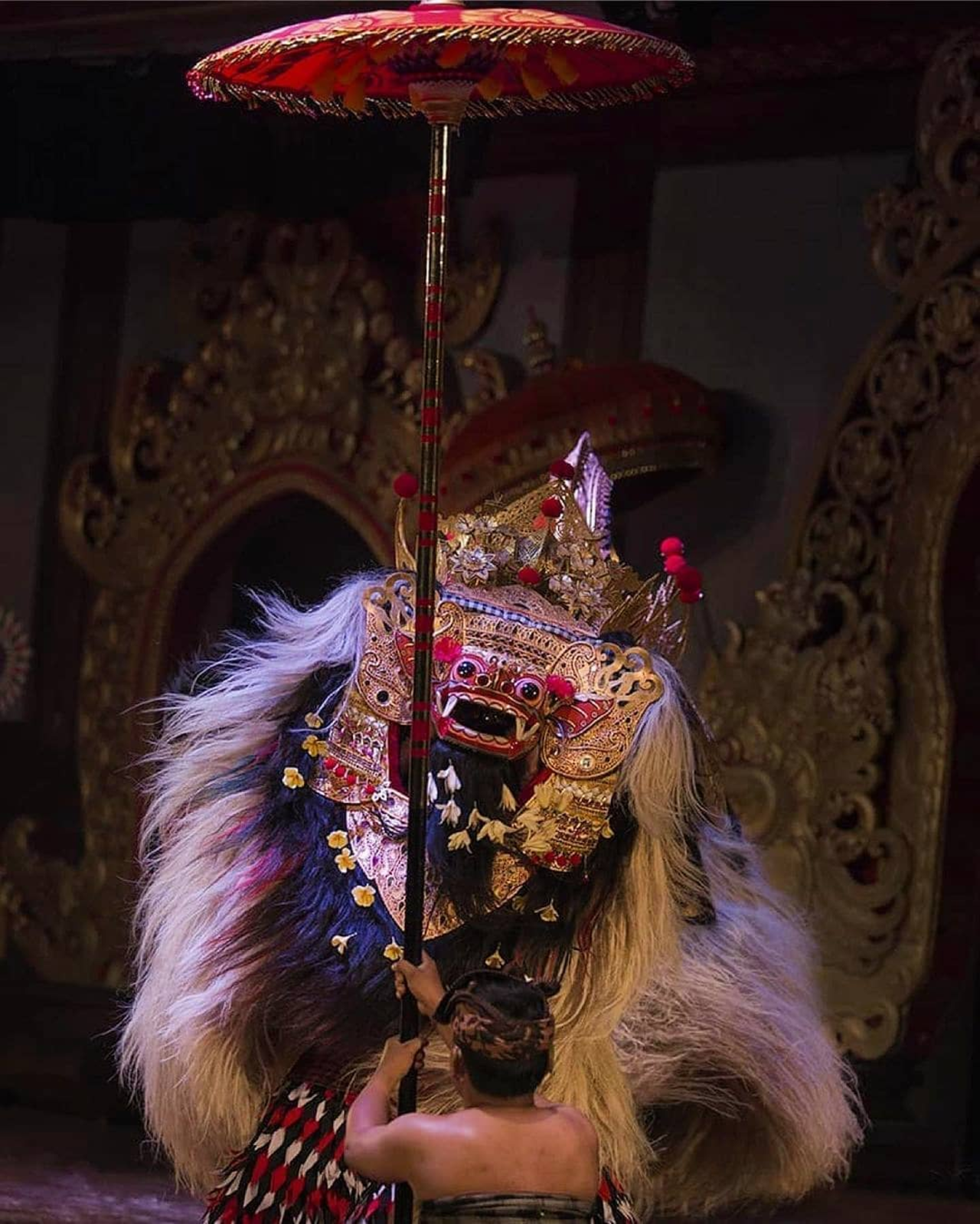
Watch Bali's legendary battle between good and evil unfold through vibrant costumes and gamelan music
10 hours
Free Cancellation
Explore Ubud's iconic rice terraces, jungle swing, waterfalls, and art markets in one immersive day trip.
1.5–3 hours
Free Cancellation
Ride through jungle trails, mud tracks, and a gorilla cave, then relax at a sunset pool bar with lunch.
2 to 4 hours
Free Cancellation
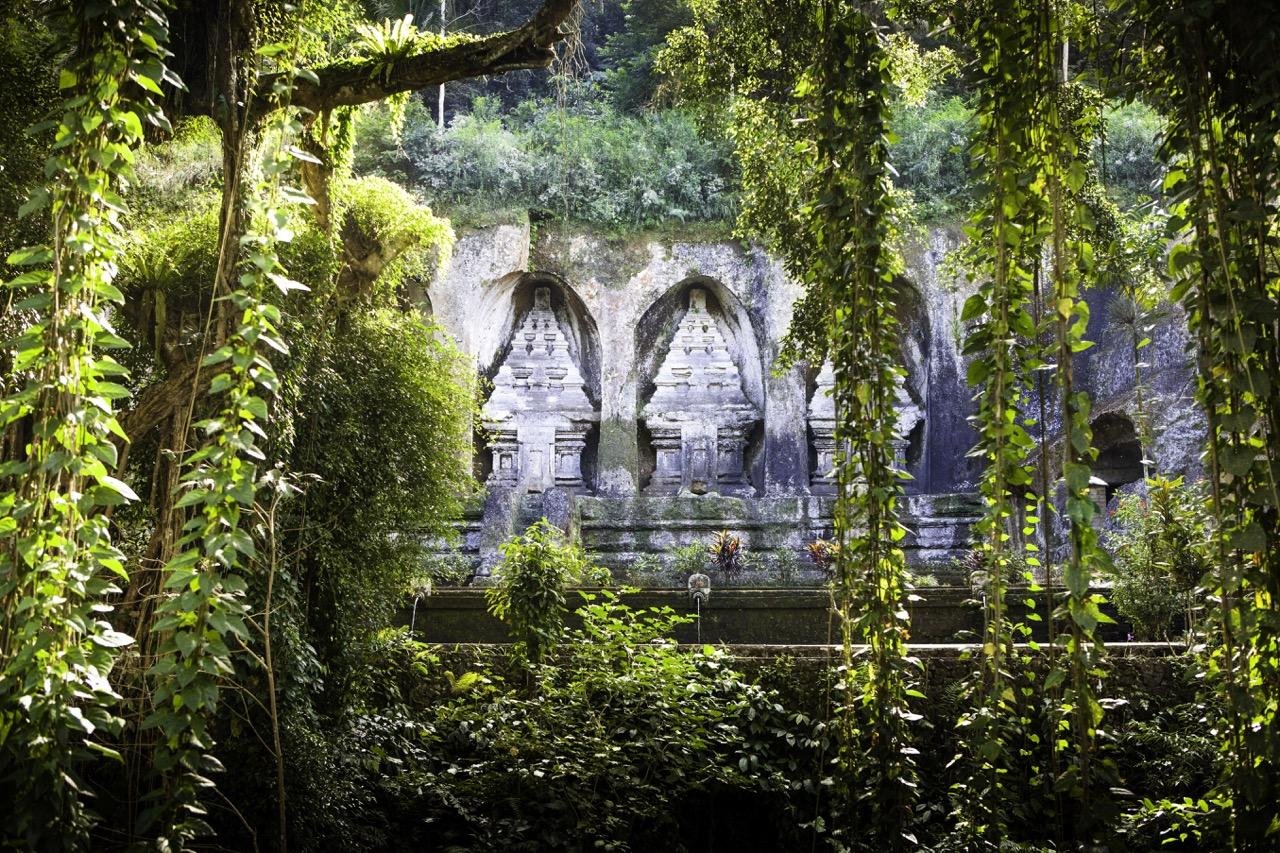
Explore 11th-century cliff shrines and sacred springs in a UNESCO-listed river valley near Ubud
9 hours
Free Cancellation
Experience Bali's spiritual and artistic treasures in a single day tailored for cruise passengers
12 hours
Free Cancellation
Explore Bali's cultural heart with a personal driver, premium vehicle, and flexible itinerary across temples, rice fields, and waterfalls.
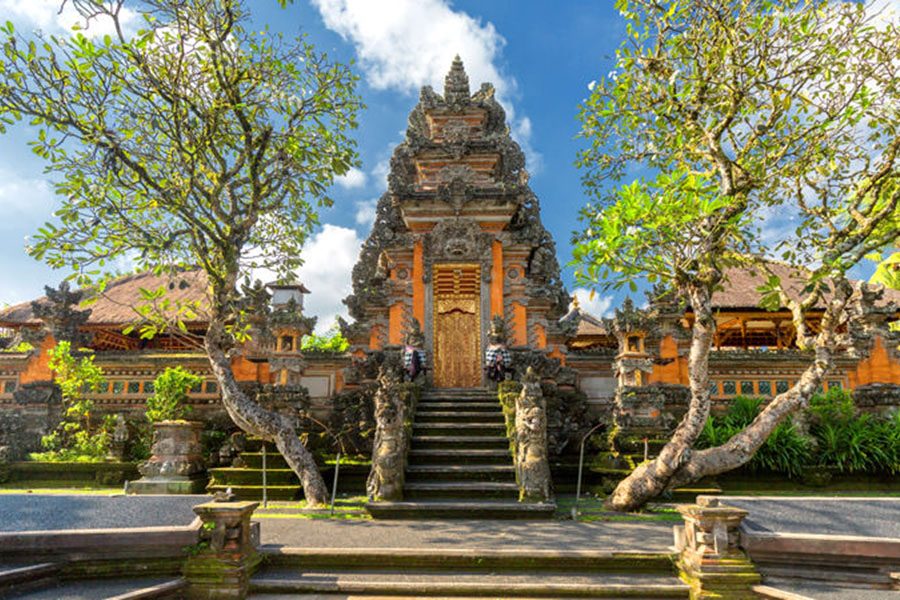
You arrive at the carved stone gates on Jalan Raya Ubud at morning light, when the courtyard pavilions cast long shadows across swept gravel and the scent of incense drifts from private family shrines.
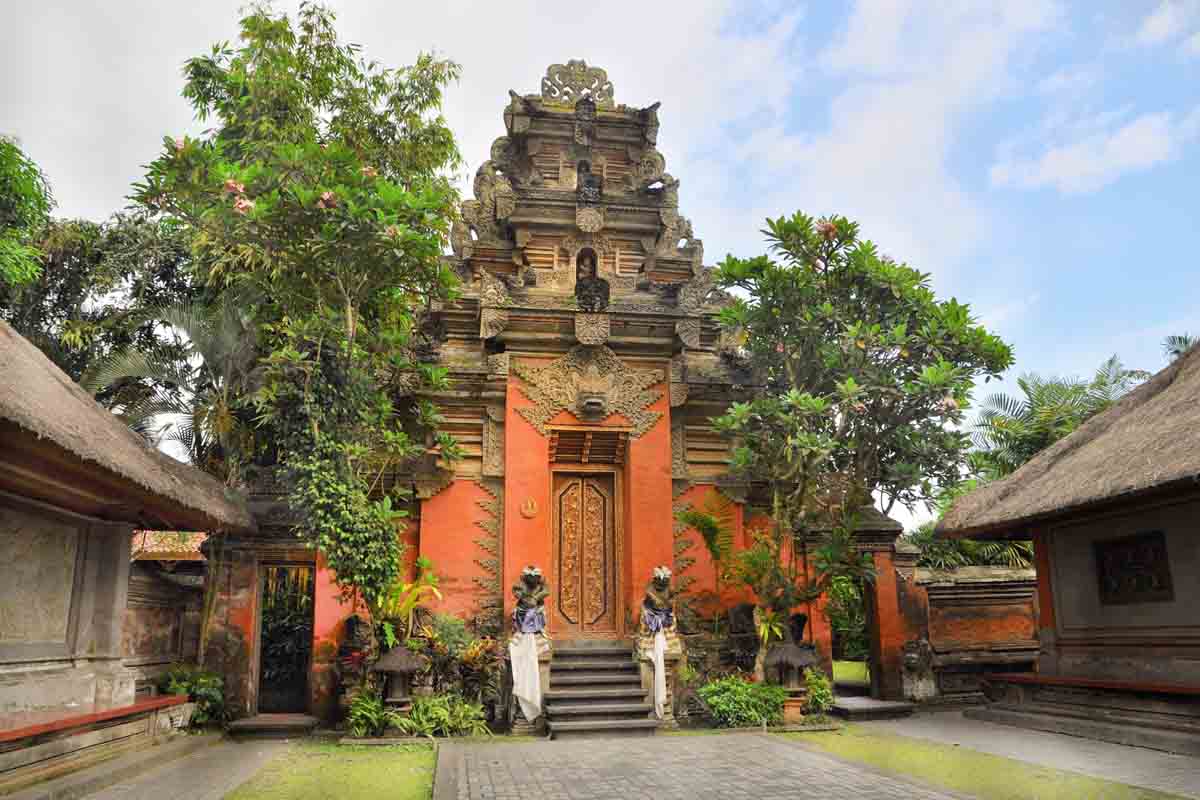
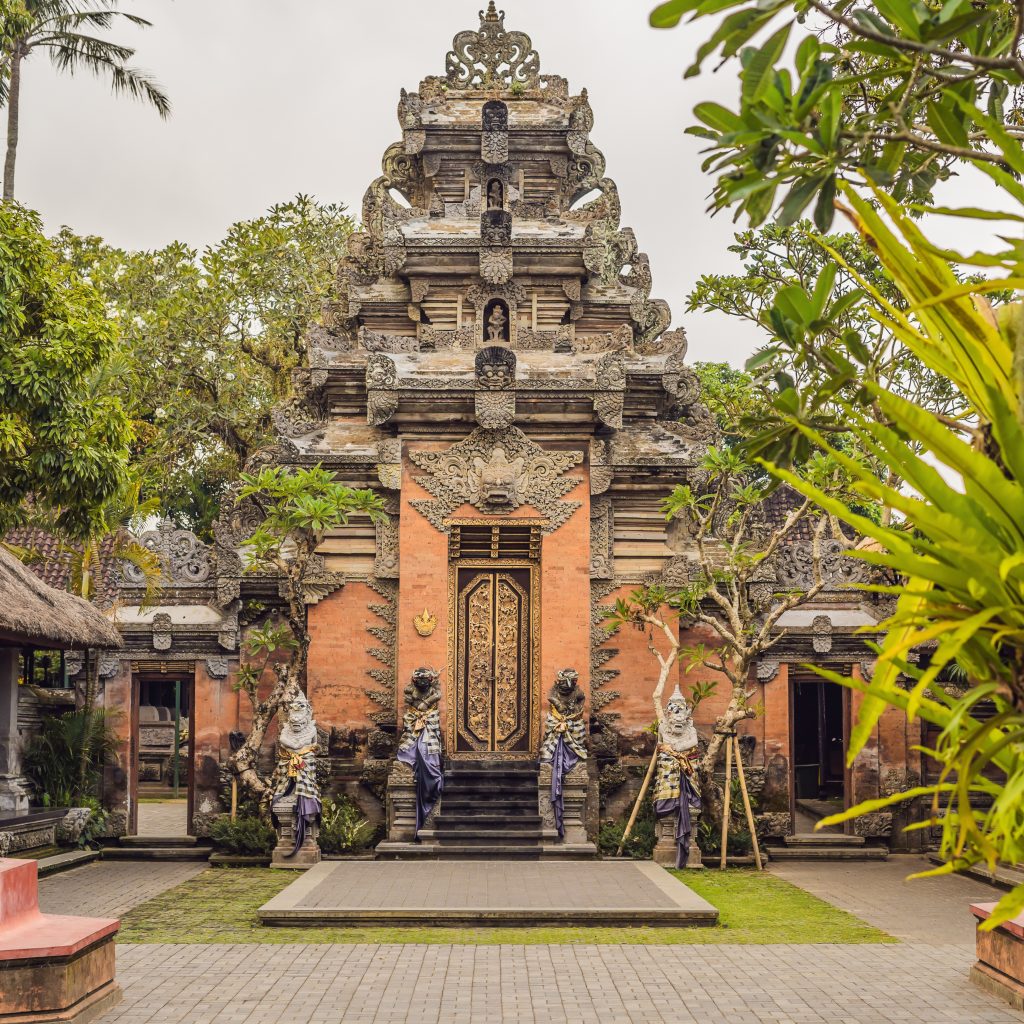
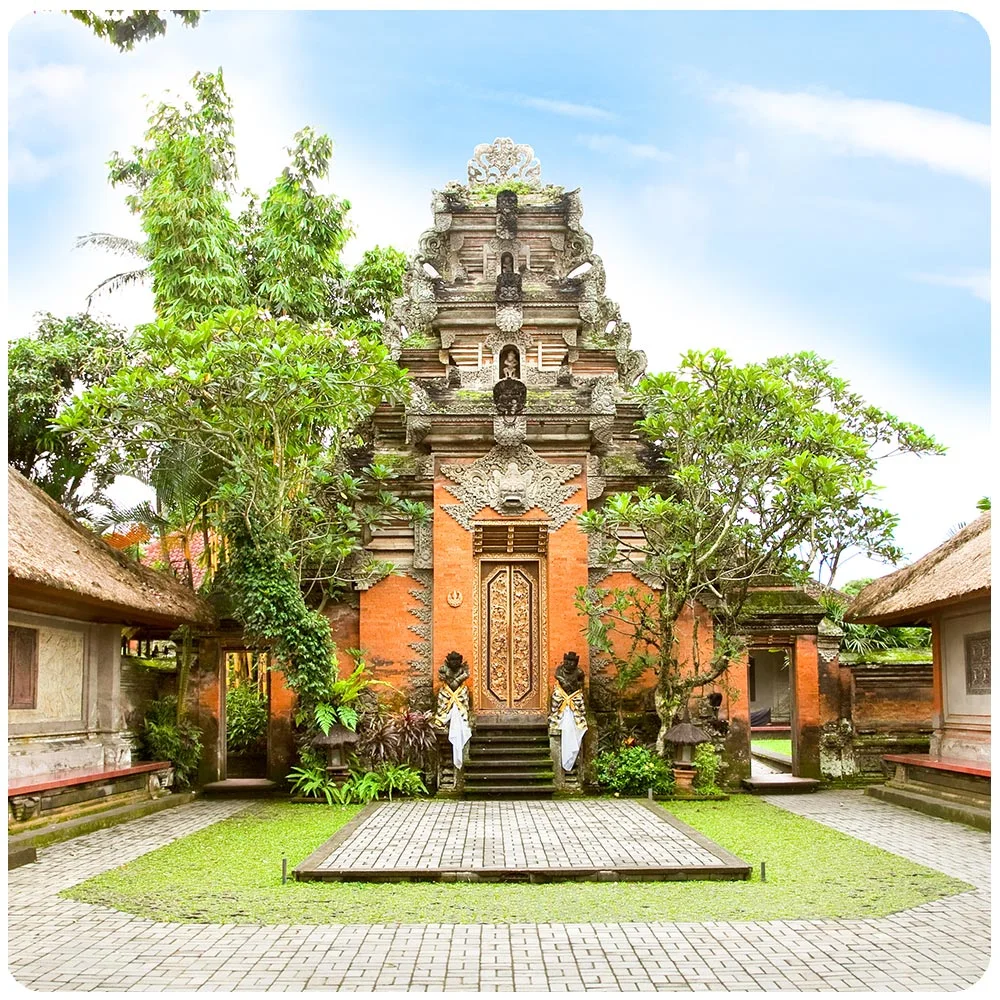
Entry is free for general exploration, and you pass through the outer gate into the first courtyard, where red brick walls rise to open-air pavilions with carved wooden columns and gilt detailing. You pause at the central fountain, framed by frangipani trees, and examine the stone guardians flanking each doorway—demons and gods rendered in coral stone by Mas village sculptors.
Moving deeper, you reach the main performance courtyard, an open square where rows of plastic chairs await tonight's dance audience. By day it is empty and quiet, the gamelan instruments stored beneath raised pavilions. You notice the private residential quarters beyond a low wall, where laundry hangs and family members move between rooms, a reminder that this palace remains a working household. The stonework throughout rewards close inspection: every lintel carries floral relief carvings, every gate a nested series of geometric frames. You complete the loop in twenty minutes, exiting onto the main road where market vendors sell woven baskets and the hum of motorbikes resumes.
All the details about your upcoming adventure in one place
Ubud Palace tickets grant access to the historic Puri Saren Agung, the official residence of Ubud's royal family and a cornerstone of Balinese cultural heritage. The traditional Balinese architecture features intricately carved stone walls, ornate pavilions, and ceremonial courtyards where evening dance performances bring classical legong and barong traditions to life. Ubud Palace tickets tours often pair this landmark with nearby art markets and sacred temples.
Puri Saren Agung has served as the official residence of Ubud's royal family since the late nineteenth century, when Ida Tjokorda Putu Kandel moved the seat of power from the older palace compound to this intersection at the heart of the town.
The carved stone gates and red brick pavilions remain occupied by descendants of the same lineage, making this one of the few working royal households in Indonesia open to public exploration. Visitors walk freely through the outer courtyards during daylight hours without charge, a practice rooted in the Balinese principle that sacred and civic architecture should remain accessible to the community it serves.
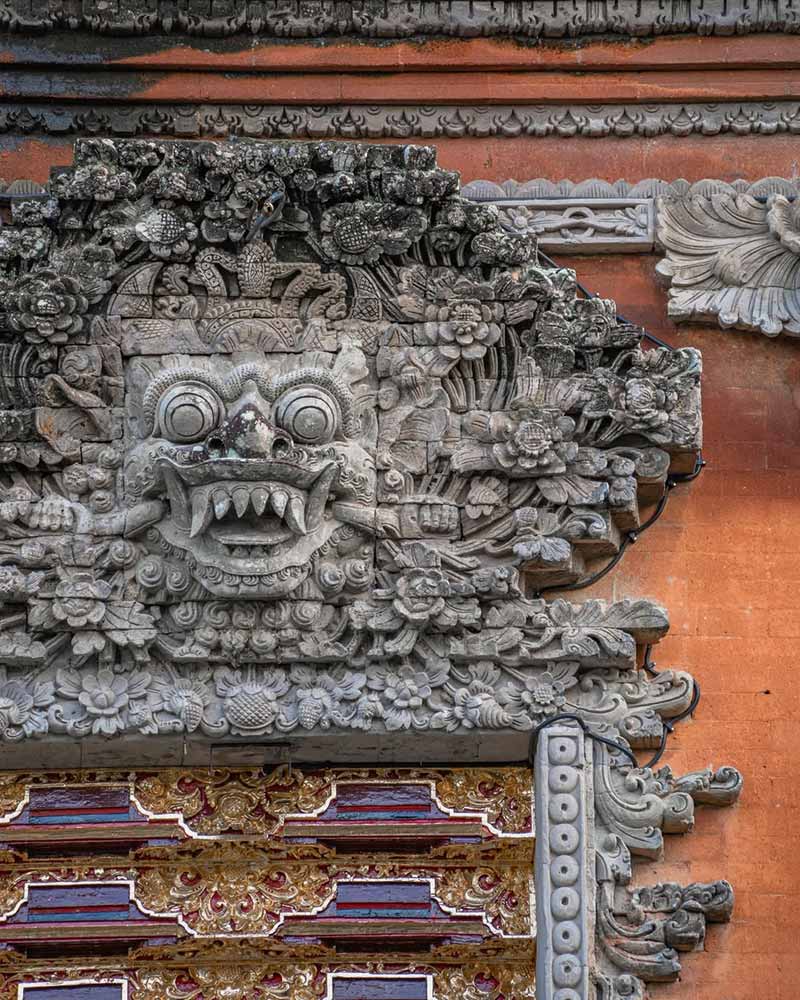
The palace functions as both residence and cultural venue. Each evening, traditional dance companies perform Legong, Barong, and Kecak in the main courtyard, with ticketed seating arranged beneath frangipani trees and carved stone walls that glow under stage lighting. These performances draw on repertoires developed at the palace itself during the mid-twentieth century, when Ubud emerged as a center for dance innovation under royal patronage. The architecture reflects this dual role: residential pavilions with private sleeping quarters stand alongside open-air performance spaces designed to accommodate gamelan orchestras and audiences of several hundred. Red brick structures contrast with white coral stone detailing, and every doorway carries carvings of protective deities and floral motifs executed by craftsmen from nearby Mas and Peliatan villages.
Ubud Palace tickets for courtyard access remain free, allowing travelers to examine the stonework, fountains, and gate sculptures without formal booking. Dance show tickets, purchased separately, grant reserved seating for nightly performances that begin after sunset. The palace dress code requires respectful attire: shoulders and knees covered, sarongs available for loan at the entrance. Photography is permitted in the courtyards but restricted during live performances to preserve the integrity of the ritual context. The site anchors Ubud's main street, with the traditional market directly opposite and the sacred Saraswati Temple a short walk east, forming a concentrated corridor of cultural landmarks within a few hundred meters.

One of the few working royal households in Indonesia open to public exploration.
Modest dress is required out of respect for the royal residence. Visitors are encouraged to wear a sarong and sash, which can often be rented or purchased nearby to cover legs and shoulders.
Large luggage is discouraged due to limited space within the historic compound. Keep personal belongings secure while exploring the courtyards of the Ubud Palace.
Photography is permitted in public areas of the Ubud Palace. Be mindful of ongoing ceremonies and do not obstruct the view of other guests or performers.
The Ubud Palace is suitable for families interested in cultural history. Keep young children supervised while navigating the ornate gates and garden paths.
The flat courtyard areas of the Ubud Palace are generally accessible, though some traditional architectural thresholds may require navigation assistance.
No food or drink is permitted inside the sacred temple areas. Several cafes and local eateries are located immediately outside the Ubud Palace walls.
Opening Hours
08:00–18:00 daily
Address
Jl. Raya Ubud No.8, Ubud, Kecamatan Ubud, Kabupaten Gianyar, Bali 80571, Indonesia
Accessibility
Outer courtyards are accessible for visitors
Best arrival window
08:00–10:00
Bags & Security
Compact bags recommended; no strict locker facilities
Navigation
Located at the intersection in central Ubud
Entry to the palace courtyards is free. Evening cultural performance tickets typically offer flexible cancellation policies if booked through official vendors; check specific provider terms for details.
Recommended time
45-60 minutes
Most visitors spend about an hour exploring the ornate Balinese architecture and lush courtyards, as no ubud palace tickets are required for general entry. If you plan to admire the intricate stone carvings or capture photos of the regal gateways, allow extra time for these Ubud landmarks. Those participating in evening cultural ubud palace tickets tours should arrive early to secure seating near the performance stage. Following the guidelines for ubud palace tickets, visitors find that moving through the grounds is most efficient when avoiding the midday rush.
Crowd levels through the day
Puri Saren Agung, the royal seat at the heart of Ubud, was established in the late 1800s by Ida Tjokorda Putu Kandel, a nobleman who consolidated local power and shaped the town into a cultural nucleus. The palace compound became the administrative center of the Ubud royal family, housing successive generations of rulers who governed the region and stewarded its artistic traditions. Unlike many Balinese palaces that retreated from public life after Indonesian independence, Puri Saren remained a living residence, with descendants of the founding lineage continuing to occupy its inner pavilions. This continuity preserved the palace as both monument and home, a duality that defines its present character. The 1917 earthquake damaged portions of the original structure, prompting a reconstruction campaign led by Tjokorda Gde Agung Sukawati, a ruler celebrated for inviting European artists Walter Spies and Rudolf Bonnet to Ubud in the 1920s. Their arrival catalyzed the Pita Maha art movement, and the palace became a salon where Balinese painters, woodcarvers, and dancers exchanged ideas with foreign patrons. The outer courtyards hosted performances that blended court dance with village improvisation, a synthesis that later attracted anthropologists and filmmakers. By mid-century, those ubud palace tickets tours had become a template for cultural tourism across Bali, anchoring the island's reputation as an arts destination. Post-independence, the royal family adapted to Indonesia's republican structure by opening the palace grounds to visitors while retaining ceremonial authority within the community. The 1960s saw the addition of nightly Legong and Barong performances staged in the main courtyard, a revenue model that sustained the compound's upkeep without state subsidy. Today, entrance to the public zones remains free, a deliberate choice by the Sukawati descendants to maintain accessibility. The palace's galleries display heirlooms—carved thrones, ceremonial textiles, gilded umbrellas—that document the court's ritual calendar. Conservation efforts since 2010 have stabilized the oldest pavilions, using traditional coral-stone masonry techniques documented by the Gianyar heritage office. The family still conducts temple ceremonies within the private inner sanctum, a practice that distinguishes Puri Saren from dormant palace museums elsewhere in Southeast Asia.
Ida Tjokorda Putu Kandel establishes Puri Saren Agung as the royal seat and administrative center of Ubud.
A major earthquake damages the palace, prompting reconstruction under Tjokorda Gde Agung Sukawati.
Walter Spies and Rudolf Bonnet arrive in Ubud, catalyzing the Pita Maha art movement hosted at the palace.
The palace adapts to Indonesian independence, maintaining ceremonial authority while opening courtyards to public access.
Nightly Legong and Barong performances are introduced in the main courtyard, establishing a sustainable cultural tourism model.
Heritage conservation stabilizes the oldest pavilions using traditional coral-stone masonry techniques.
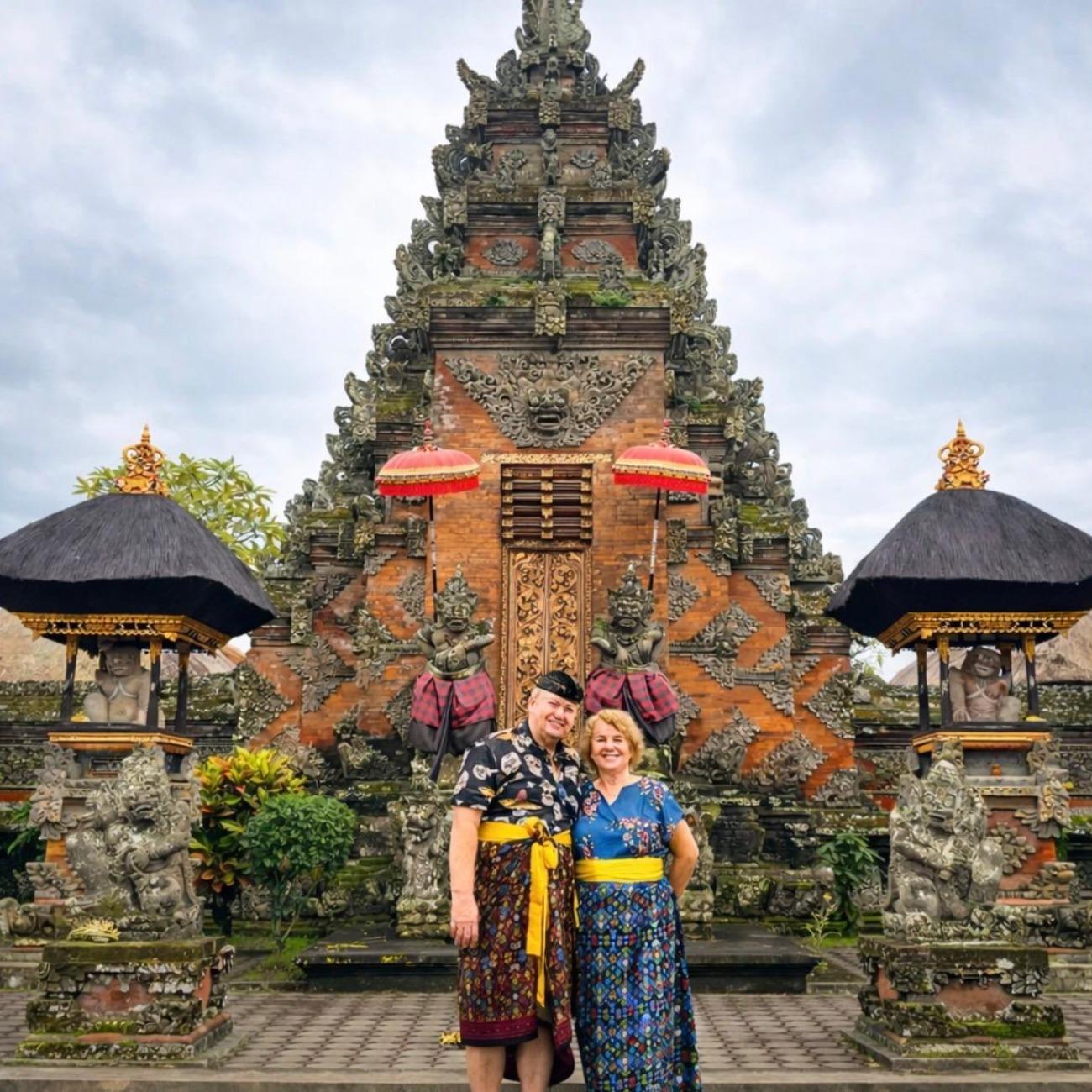
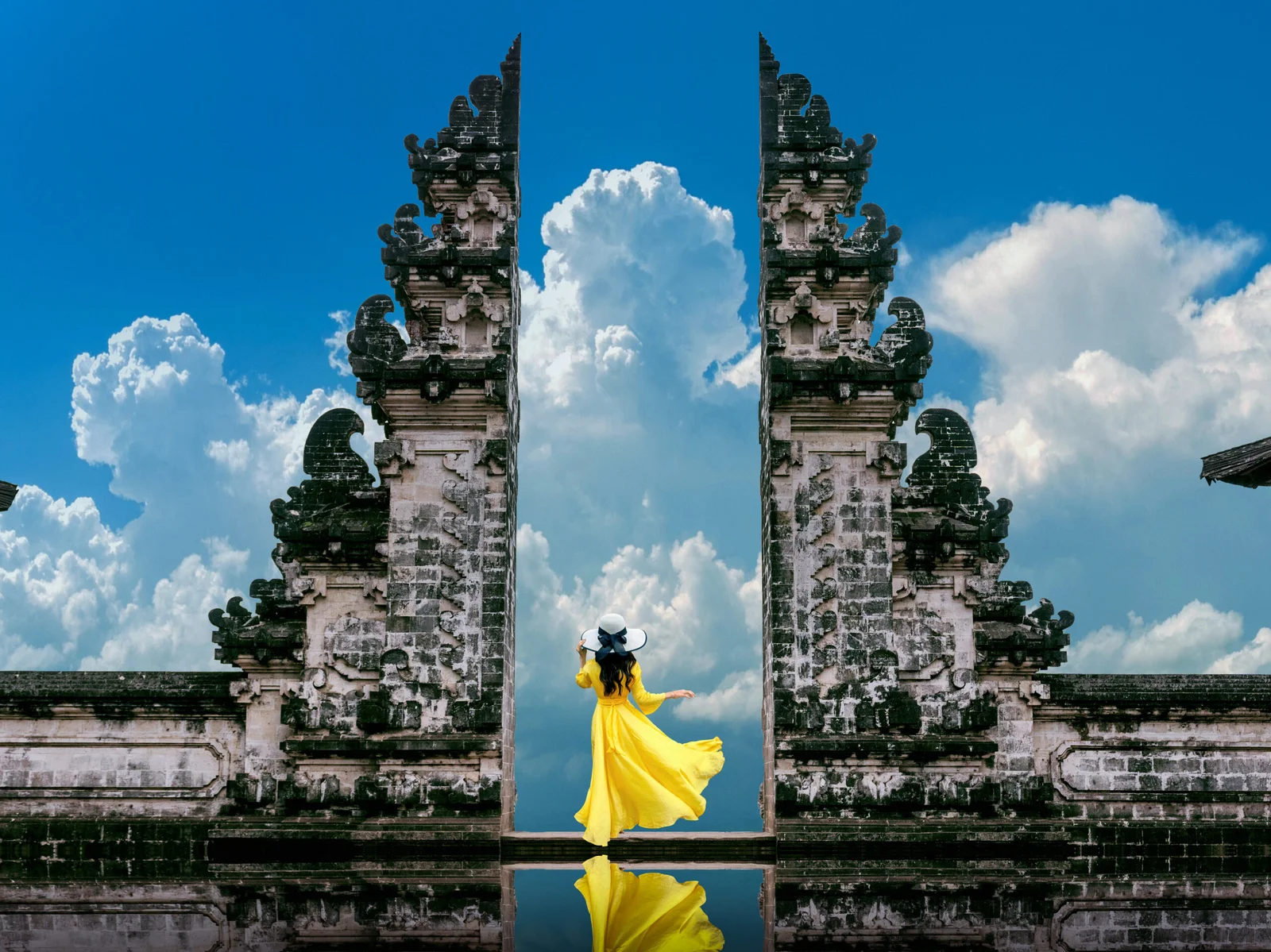
This iconic split gateway features intricate sandstone carvings that frame the entrance perfectly. Stand in the center of the walkway to capture the symmetry of this Balinese landmark.
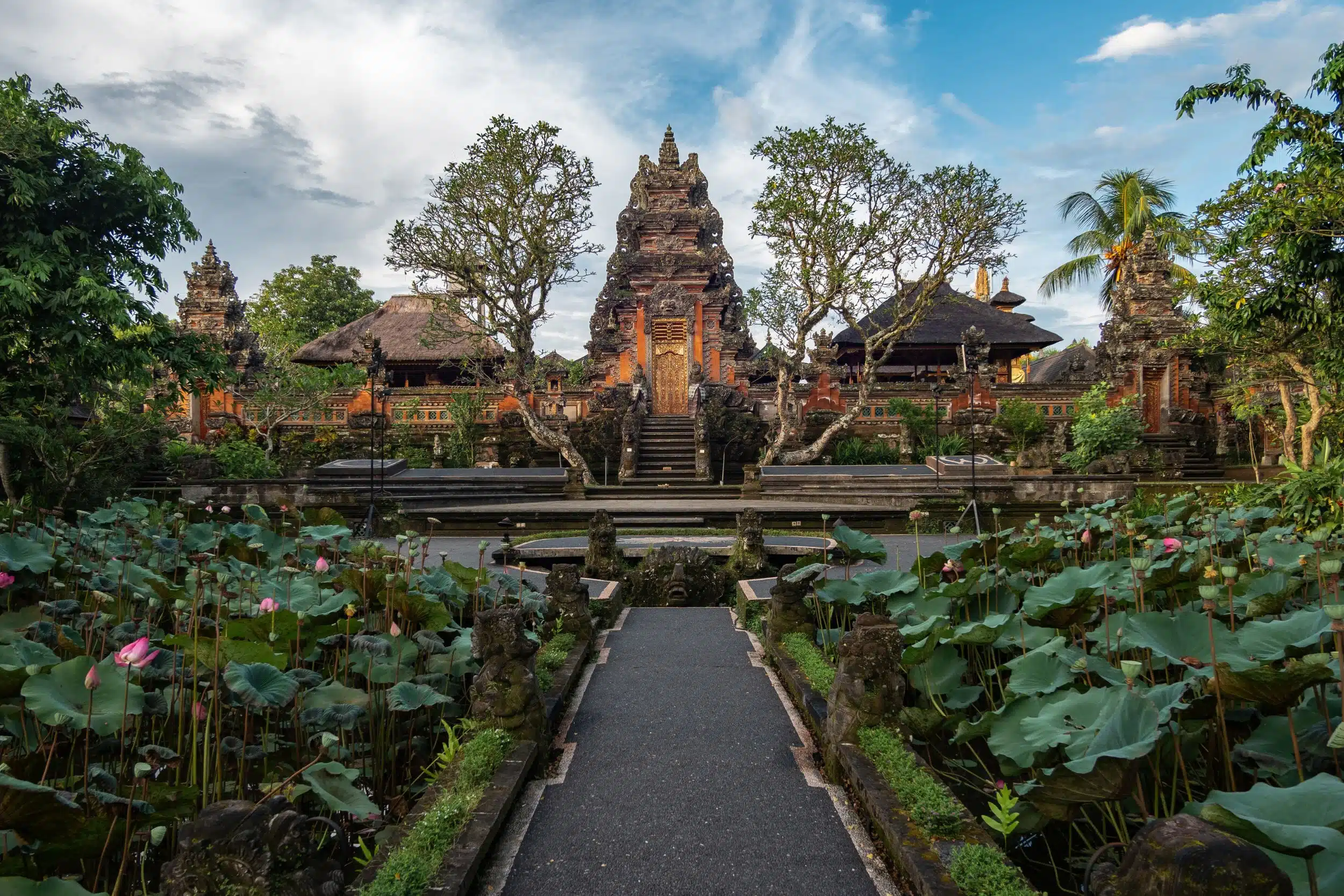
Position your camera to include the lush tropical flora alongside the traditional stone pavilions. These ubud palace tickets tours often lead here for the best depth of field against the temple structures.
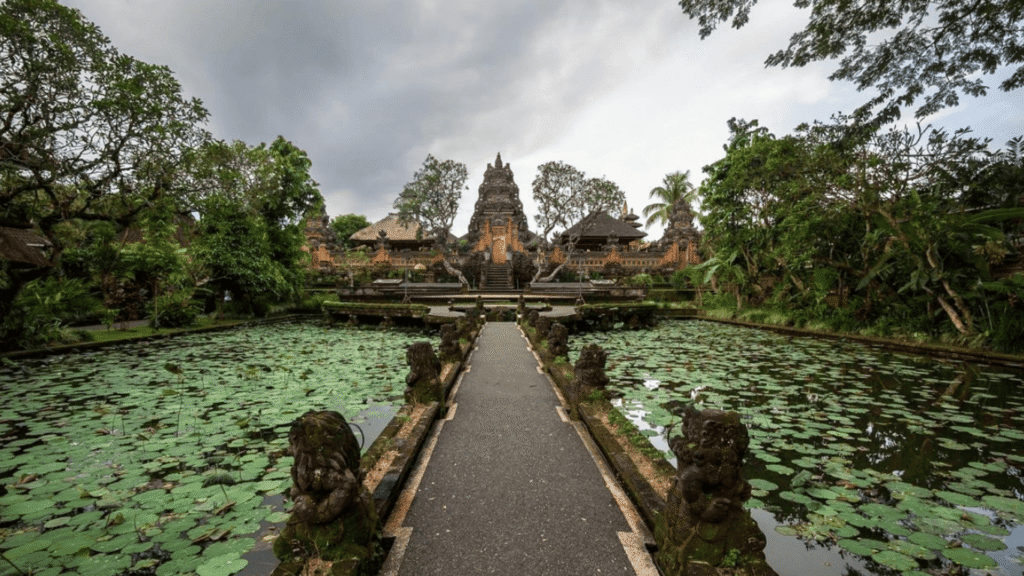
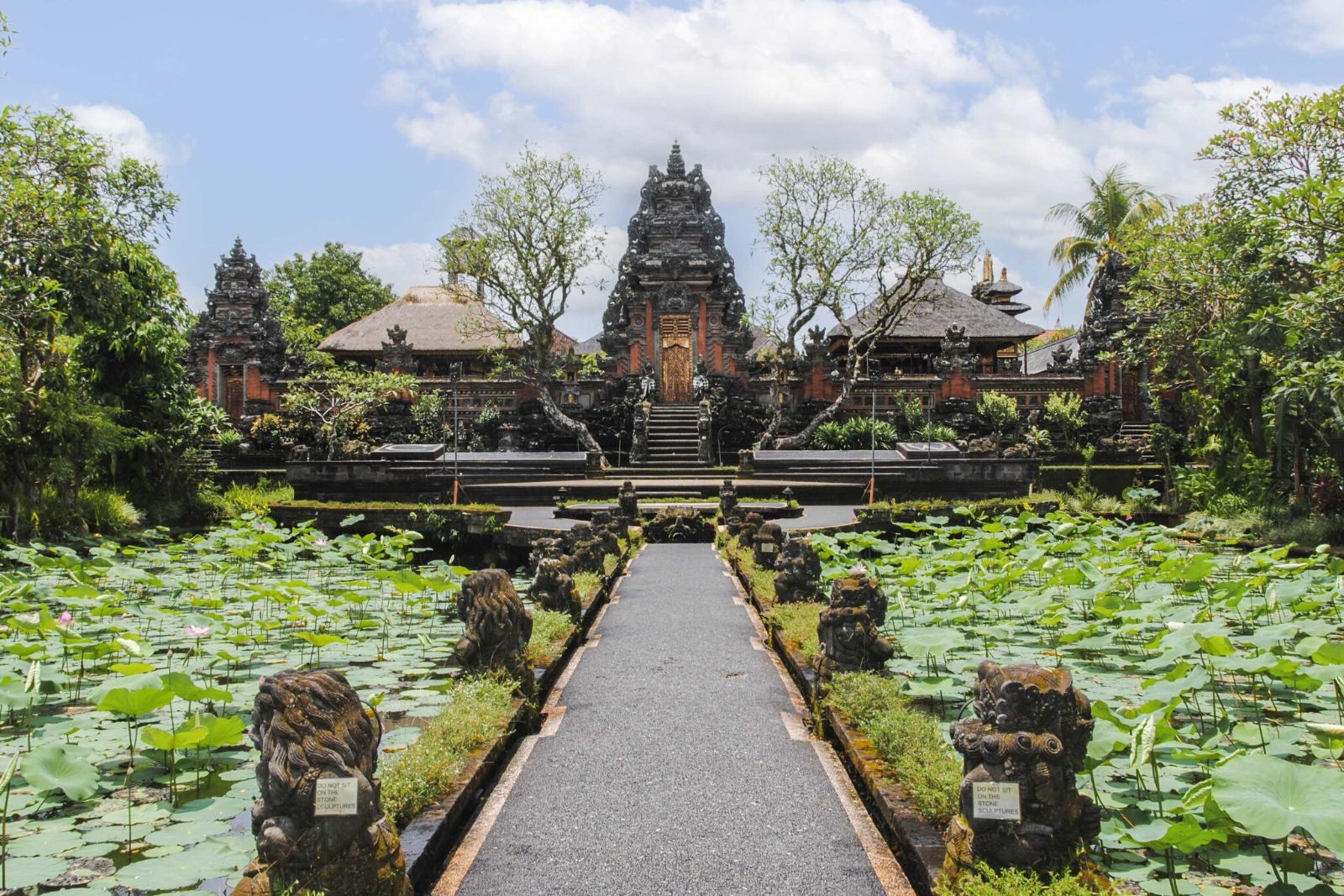
Capture the reflection of the ornate architecture in the lotus ponds located just outside the main complex. This area is a favorite for those seeking a ubud palace tickets tour perspective of the water features.
Focus your lens on the traditional wooden drum tower with its detailed woodwork and elevated position. This spot provides a clear view of the architectural heritage which complements many ubud palace tickets tickets holders' galleries.
Real experiences from real travelers
Visiting Puri Saren Agung in the late afternoon gave us soft light across the carved pavilions. The stone guardian figures and gilded details are far more intricate up close than photos suggest. We spent about forty minutes wandering the courtyards and reading the plaques about the royal family's history. Access is straightforward and the compound sits right on Ubud's main road.
The craftsmanship of the temple gates and wooden roof beams is exceptional. We arrived around 4 PM when the crowds had thinned and could photograph the bale structures without obstruction. The palace grounds are compact but densely decorated with carvings and gold leaf. A dancer was rehearsing in one of the pavilions, which added atmosphere.
Ubud Palace tickets gave us access to a well-preserved example of traditional Balinese royal architecture. The split gate entrance is iconic and the interior courtyards are filled with frangipani and tropical plants. We visited on a weekday morning and had space to explore without feeling rushed. The stone carvings depict scenes from Hindu epics in remarkable detail.
The palace is smaller than I expected but every surface is covered in intricate carvings or painted decoration. The pavilions are open-air so you can see the timber joinery and roof construction clearly. We went during the dry season and the light was perfect for photography. Located right in central Ubud so easy to combine with market visits.
Puri Saren Agung showcases the skill of Balinese stone carvers and woodworkers. The demon faces and floral motifs on the gate towers are deeply carved and still retain traces of original pigment. We walked through the compound in about thirty minutes, taking time to examine the relief panels. The red brick and gold color scheme is striking against the greenery.
We bought ubud palace tickets and explored the royal compound on a humid afternoon. The pavilions provide shade and the stone floors stay cool. The architectural proportions and symmetry are beautiful, with each bale balanced by carved columns and tiered roofs. Traditional dancers sometimes perform here in the evenings, though we visited during the day.
The palace sits at the heart of Ubud and serves as a good introduction to Balinese temple architecture. The split gate form and layered stone towers are repeated throughout the island but this example is particularly ornate. We arrived around 10 AM and found the courtyards quiet. The carved lintels above doorways show fine detail work.
Ubud Palace tickets provided entry to a series of interconnected courtyards with traditional pavilions and gardens. The red and gold color palette is consistent throughout and the stone pathways are well maintained. We spent about an hour here, reading about the Ubud royal family's role in preserving Balinese arts. The location on Jalan Raya Ubud makes it easy to reach on foot.
The carved wooden beams and stone panels at Puri Saren Agung display exceptional craftsmanship. We visited in the early morning when the light was soft and the compound was nearly empty. The guardian statues and demon faces are imposing yet decorative. The tropical plants in the courtyards add texture and the whole site feels well cared for.
This royal compound offers a concentrated look at traditional Balinese architecture in the middle of town. The pavilions are open so you can observe the construction techniques and carved decoration from multiple angles. We took our time walking through and found the stone reliefs and painted doors particularly photogenic. A calm space despite the busy street outside.
Everything you need to know for your journey
Entry to the Ubud Palace courtyards is free; no tickets are required for general exploration.
The Ubud Palace is open from 08:00–18:00 daily.
While general entry is free, you should purchase separate tickets if you wish to attend evening dance performances.
Modest clothing covering shoulders and knees is recommended when visiting the Ubud Palace.
Yes, photography is allowed in public courtyard areas of the Ubud Palace.
No, the evening cultural shows at the Ubud Palace require separate tickets.
The best arrival window is 08:00–10:00 to avoid peak crowds.
Yes, families are welcome to explore the public areas of the Ubud Palace.
Yes, the Ubud Art Market and Saraswati Temple are within easy walking distance.
There is limited parking for cars; visitors often use the Ubud Central Parking facility near the Ubud Palace.
Join thousands of happy travelers who have discovered this incredible experience
Book Your Experience Now