

Quick answer
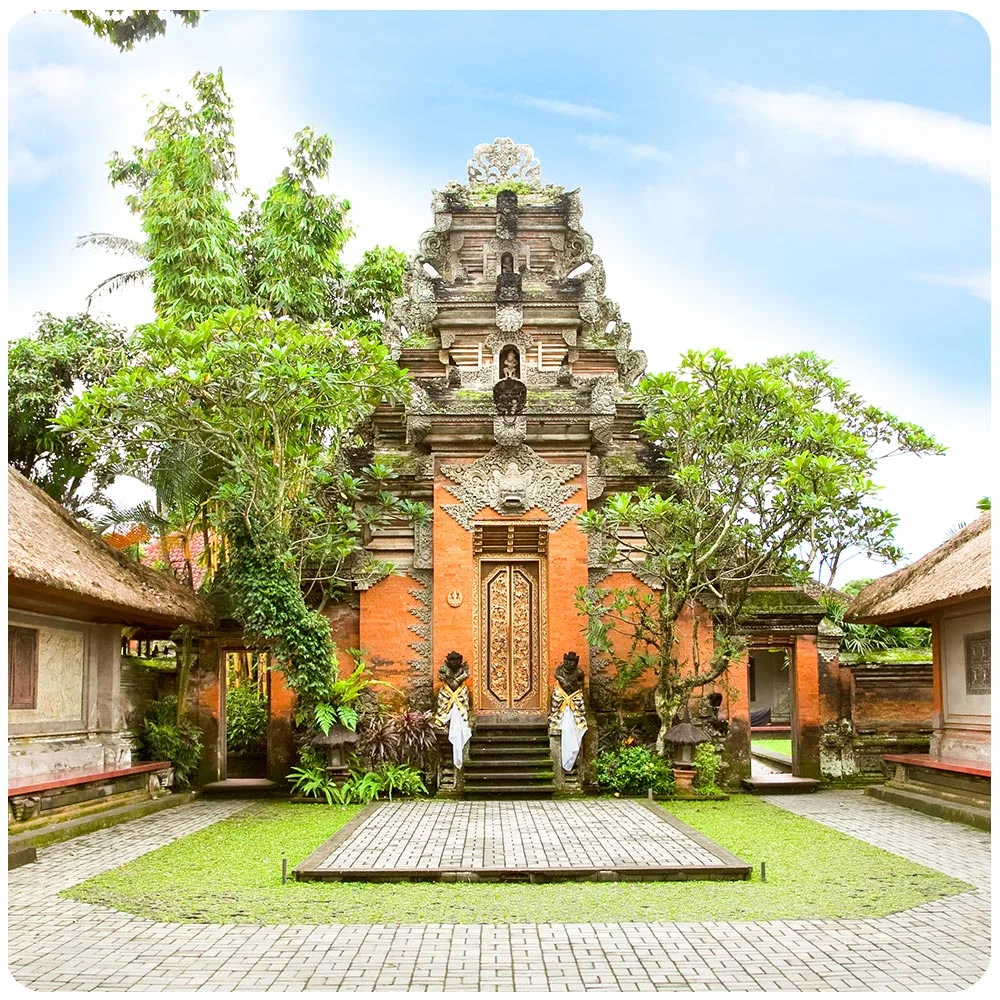
The ubud palace dress code requires visitors to wear clothing that covers shoulders and knees out of respect for the site's sacred and royal status. Sleeveless tops, short shorts, and revealing garments are not permitted. Sarongs are not mandatory for the outer courtyards during daytime visits, but modest attire is enforced. Evening dance performances held within the palace grounds follow the same standards.
The compound opens freely to the public between 08:00 and 18:00 daily, but its function as the residence of Ubud's royal family and a venue for ceremonial dance means clothing expectations mirror those of Bali's temple complexes. Shoulders must remain covered. Knees must not be exposed. Tank tops, spaghetti straps, crop tops, mini skirts, and athletic shorts fall outside acceptable parameters. The palace does not supply sarongs at the entrance for casual daytime visits to the courtyards, so arriving in appropriate clothing is essential. Puri Saren Agung consists of outer pavilions where visitors move freely and inner sanctums closed to the public. The attire rules for Ubud Palace apply uniformly across accessible areas. Lightweight long pants, knee-length skirts, and shirts with sleeves work for both genders. Flowing fabrics suit Bali's heat without compromising modesty. Footwear is permitted throughout the courtyards; visitors remove shoes only when entering specific covered pavilions marked by stone thresholds. Evening traditional dance performances staged in the palace's central courtyard draw hundreds of ticket holders nightly. The same clothing standards apply. Audiences seated on wooden benches should prepare for two hours in the open air, so breathable fabrics that meet the coverage requirements offer the best balance. Shawls and scarves can supplement a sleeveless dress, but security staff at evening events enforce the policy more visibly than during daytime self-guided exploration. The palace forms part of a cultural corridor along Jalan Raya Ubud. Visitors planning to move between the palace, nearby Ubud Market, and the surrounding temple precincts benefit from dressing once for all sites rather than changing midday. The traditional Balinese respect for sacred and royal spaces extends to all compounds associated with the Sukawati royal lineage, and the clothing guidelines reflect that continuity. Loose linen trousers, maxi dresses, and long-sleeve cotton shirts appear most frequently among prepared travelers who understand that modesty unlocks access without friction across Ubud's heritage sites.
“The palace enforces the same clothing standards for evening dance audiences as it does for daytime courtyard visitors — shoulders and knees covered, no exceptions.”
Understanding the Ubud Palace Dress Code Requirements
Ubud Palace remains an active royal residence and sacred cultural site where traditional dress protocols are strictly observed. Visitors must dress modestly to show respect for the palace's spiritual and ceremonial significance.
Do
- Wear a sarong and sash covering your knees and shoulders
- Bring your own traditional attire if you have it
- Cover tattoos if possible, especially religious imagery
- Dress conservatively when attending evening dance performances
- Ask palace staff if you're unsure about your outfit
Don't
- Enter wearing shorts, mini-skirts, or sleeveless tops
- Walk around without proper sarong coverage during ceremonies
- Wear beachwear or overly casual clothing
- Ignore posted dress code signs at the entrance
- Assume Western standards of modesty apply here
Ubud Palace Dress Code and Daily Opening Hours
Ubud Palace is open daily to visitors. Please ensure you adhere to the established dress code requirements during these operating hours.
| Monday | 08:00–18:00 | |
|---|---|---|
| Tuesday | 08:00–18:00 | |
| Wednesday | 08:00–18:00 | |
| Thursday | 08:00–18:00 | |
| Friday | 08:00–18:00 | |
| Saturday | 08:00–18:00 | |
| Sunday | 08:00–18:00 |
Entrance Fees and the Ubud Palace Dress Code
Access to the Ubud Palace grounds is available at no cost during daily operating hours. While general entry remains free, visitors must observe the Ubud Palace dress code to maintain the sanctity of the site.
A typical adult pays 0 IDR for general palace access, though separate tickets are required for evening cultural performances.
Best Time to Visit Ubud Palace While Wearing Appropriate Dress
The optimal time to visit Ubud Palace is during the early arrival window of 08:00–10:00. Arriving during these hours allows you to navigate the grounds in your required modest attire before the intensity of the midday heat and heavy tourist crowds arrive.
Dry Season (April–October)
Lower humidity; 26°C to 28°CThis period offers the most comfortable weather for wearing traditional temple garments. Visiting in the early morning ensures a quieter experience before peak heat.
Wet Season (November–March)
High humidity; 27°C to 29°CExpect frequent rainfall and increased humidity. Prioritizing an early arrival remains essential to avoid peak indoor congestion during localized rain showers.
Weekday Mornings
Low to moderate—
Visiting between Monday and Friday provides a more spacious environment for viewing the architecture. Arriving promptly at 08:00 helps maintain comfort while adhering to modesty standards.
Verdict: For the best experience, plan your visit for 08:00–10:00 during the dry season months of April or October to balance favorable weather with manageable crowd levels.
Getting to the Palace and Ubud Palace Dress Code Logistics
Ubud Palace is located at Jl. Raya Ubud No.8, Ubud, Kecamatan Ubud, Kabupaten Gianyar, Bali 80571, Indonesia. It sits at the central intersection of Ubud, making it easily accessible for pedestrians and those arriving by vehicle.
Direct drop-off at Jl. Raya Ubud
Parking available at nearby public lots
Accessible via sidewalks along Jl. Raya Ubud
Check availability
Frequently asked questions about ubud palace dress code
Everything you need to know about ubud palace dress code